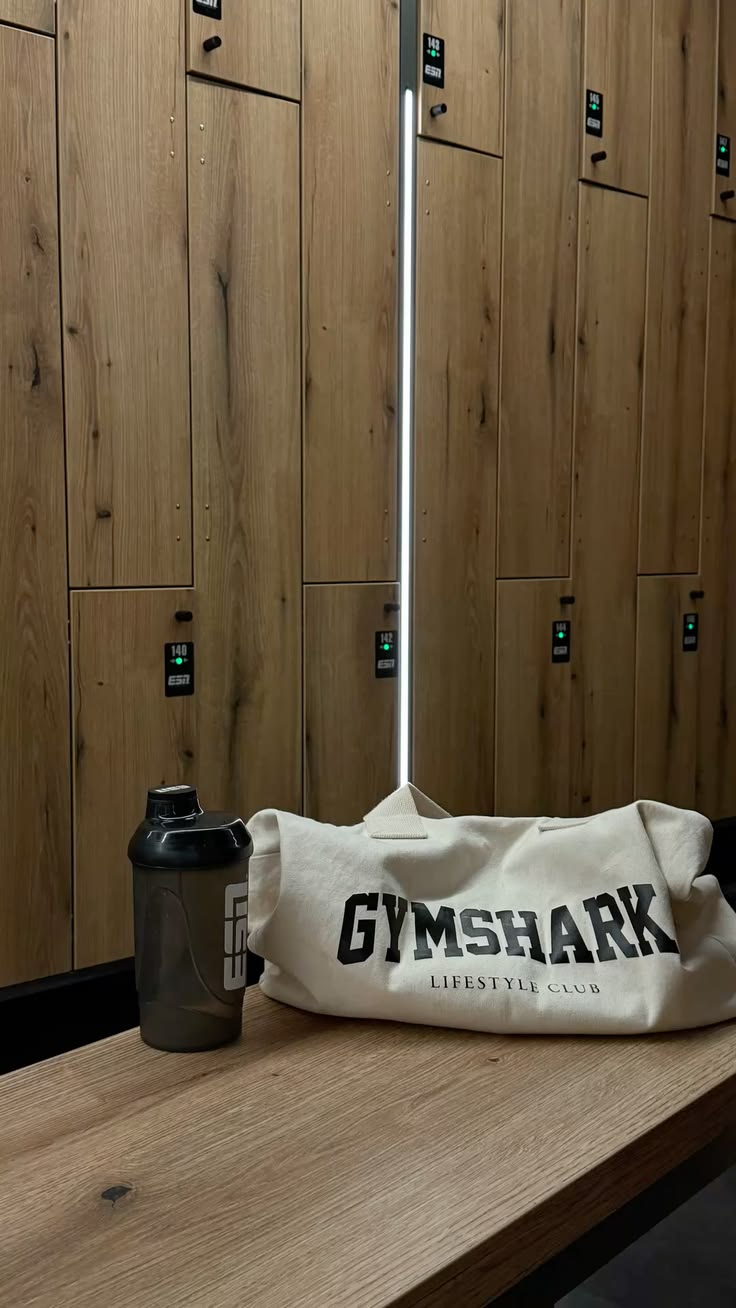
Three of the biggest names in fitness and lifestyle apparel are now defendants in nearly identical lawsuits over the same alleged mistake: hiding that a post was paid for. Gymshark has joined Revolve and Alo Yoga in facing a proposed class action in New York alleging that sponsorship disclosures were buried in captions, stuffed into hashtag blocks, or pushed below the "see more" fold. Separately, prediction-market platform Polymarket is under CFTC investigation after reportedly routing $2.5 million in payments through its CMO's personal PayPal account to more than 800 creators, generating at least 490 undisclosed posts on X. These influencer marketing disclosure lawsuits aren't an isolated legal footnote. They're the clearest signal yet that the informal rules governing creator partnerships are being replaced by enforceable ones, and every wellness, hospitality, and lifestyle brand running a creator program needs to understand what changed.
The short version: disclosure has moved from a compliance checkbox to a litigation category, and plaintiffs' firms now have a repeatable playbook for suing brands over it. Three near-identical class actions against Gymshark, Revolve, and Alo Yoga allege the same pattern of buried or missing sponsorship disclosures, while a federal investigation into Polymarket shows regulators are paying attention too. For hospitality and wellness brands, many of which lean hard on creator and influencer content precisely because it converts better than traditional advertising, this is the moment to check what's actually written into every creator contract.
The Disclosure Lawsuits Piling Up in 2026
The pattern emerged fast. Within the same reporting cycle, three separate legal actions surfaced against brands with large, visible creator programs, and the overlap in the allegations is not a coincidence.
Gymshark, Revolve, and Alo Yoga Face Nearly Identical Class Actions
Gymshark is now facing a proposed class action in New York that mirrors suits already filed against Revolve and Alo Yoga. According to reporting from NetInfluencer, the complaints allege that sponsorship disclosures were buried in captions, stuffed into hashtag blocks, or pushed below the "see more" fold on Instagram, and that some creators were locked into exclusivity arrangements without disclosing that relationship to their audience. The specifics vary slightly across the three cases. The structure doesn't: plaintiffs' firms have identified a repeatable claim, and they're running it against brand after brand in the same product category.
Polymarket's $2.5 Million Disclosure Problem
The more dramatic case involves Polymarket, the prediction-market platform, which reportedly routed $2.5 million in payments through its CMO's personal PayPal account to more than 800 creators, generating at least 490 posts on X with no disclosure at all. Some creators reportedly went further, using fake demo sites to stage winning bets. The CFTC has confirmed it's investigating, two U.S. senators have demanded answers, and the National Association of Consumer Advocates has filed suit under Washington, D.C. consumer protection law, according to reporting aggregated by influencer marketing agency Carusele from POLITICO, Kelley Drye Ad Law, and Prof G Media.
Read together, these cases describe an industry where informal disclosure norms are being tested in court rather than just in FTC guidance documents, and where the financial and reputational cost of getting it wrong just went up substantially.
Why the FTC Isn't the One Enforcing This
Here's the part brand teams tend to miss: the pressure isn't primarily coming from the regulator you'd expect. A widely cited 2024 study found that 96% of sponsored posts on X lack proper disclosure, and the FTC has never actually collected a monetary penalty from an individual influencer. That's a real enforcement gap, not a rounding error, and it means the pressure to clean up disclosure practices is coming from civil litigation instead of federal enforcement.
That distinction matters for how brands should respond. Civil litigation doesn't need to win every case to change behavior. It just needs enough filings, enough discovery requests, and enough headlines to make brand legal teams rewrite creator contracts defensively. Marketing agency Carusele put it plainly in its August 2026 industry roundup: if a brand's creator agreements don't specify exactly where disclosure must appear and in what form, that omission is the liability.
What This Means for Wellness and Hospitality Brands Specifically
It would be easy to read the Gymshark, Revolve, and Alo Yoga suits as an apparel-industry problem. It isn't. Wellness studios, boutique hotels, restaurant groups, and hospitality brands run creator programs with the exact same structure: a mix of paid partnerships, gifted stays or product, and long-term ambassador relationships, often coordinated informally over DM and email rather than through a legal-reviewed contract template. That informality is precisely what plaintiffs' attorneys are now testing in court.
Micro and Local Creators Carry the Same Risk as National Campaigns
A ten-person hospitality group working with a handful of Miami-based lifestyle creators is not exposed to less legal risk than Gymshark just because the campaign is smaller. The FTC's disclosure standard, that a reasonable consumer must be able to notice and understand the connection between a brand and a creator, applies regardless of follower count or contract size. A brand running a boutique influencer trip for six creators with no written disclosure requirement is operating with the same structural gap that's now the subject of a class action against a nine-figure apparel brand.
The Data Behind Why Brands Keep Investing Anyway
None of this means brands should pull back from creator partnerships, and the data explains why. Power Digital's 2026 trends report found that 74% of shoppers say they've converted directly from influencer content, a rate that now outpaces celebrity endorsement conversion by a wide margin. The same report found that 63% of consumers are less likely to engage with AI-generated visuals, and nearly half form a negative opinion of a brand that uses AI to handle customer replies. Those two numbers describe the same underlying dynamic: audiences are actively rewarding the human, unpolished layer of marketing at the exact moment more brands are trying to automate it away. That tension between AI-generated content and consumer trust is a theme we've tracked closely, including in our look at the backlash Equinox faced after pulling an AI-generated ad. The brands investing in real creator relationships right now aren't being sentimental about it. They're capturing a conversion advantage their competitors are handing them by cutting corners.
What a Disclosure-Safe Creator Program Actually Looks Like
The good news is that fixing this doesn't require walking away from creator marketing, which is still one of the highest-converting channels available to hospitality and wellness brands. It requires treating disclosure as a contract term instead of a suggestion.
Put Disclosure Placement in the Contract, Not Just the Guidelines
Every creator agreement should specify exactly where the disclosure appears (the first line of the caption, not buried after a "see more" break or inside a hashtag block), what language is acceptable ("#ad" or "#sponsored," not vaguer phrasing), and that it applies to every post covered by the relationship, including organic-feeling ambassador content that wasn't part of a single paid post. This is the exact gap the Gymshark and Alo Yoga suits allege, and it's the cheapest possible fix relative to the legal exposure it closes.
Audit Existing Creator Content Now
Brands running any kind of ambassador or gifting program should pull a sample of live creator posts and check disclosure placement against current FTC guidance before a plaintiff's firm does it for them. This is a low-cost audit relative to what a class action discovery process would cost, and it's the kind of practical groundwork our team walks brands through in our influencer and content strategy work.
Brief for Authenticity Without Sacrificing Compliance
Disclosure doesn't have to kill the authentic, unscripted feel that makes creator content convert. Alo Yoga's own recent creator partnership, a four-part workout series with comedian Jake Shane built around his public fitness transformation, is a useful model even as the brand faces separate litigation over other campaigns: a tight creative brief with a long leash for the creator's own voice, built around a real story rather than a scripted read. The lesson isn't to script disclosure into something stiff. It's to build disclosure into the brief the same way you'd build in a key message, so it shows up naturally instead of as an afterthought added in editing.
For wellness brands specifically, this same discipline extends to broader content and trust-building strategy, which we cover in more depth in our complete guide to wellness brand marketing. And for hospitality groups building out ambassador and creator programs alongside paid social, our hospitality marketing playbook walks through how disclosure fits into a broader Instagram and guest-growth strategy.
Frequently Asked Questions
What counts as proper influencer disclosure under FTC rules?
The FTC requires that a reasonable consumer be able to notice and understand a material connection between a brand and a creator without having to click "see more" or search through hashtags. Clear language like "#ad" or "#sponsored" placed at the start of a caption or spoken aloud in video content is the safest standard, and it applies to gifted products and ambassador relationships, not just paid posts.
Why are Gymshark, Revolve, and Alo Yoga facing lawsuits in 2026?
All three brands face nearly identical proposed class actions in New York alleging that sponsorship disclosures on creator posts were buried in captions, hidden in hashtag blocks, or placed below the "see more" fold, and that some creators had undisclosed exclusivity arrangements. The near-identical structure across the three suits suggests plaintiffs' firms have identified a repeatable legal claim.
Is the FTC actively enforcing influencer disclosure violations?
Not aggressively at the individual level. A 2024 study found 96% of sponsored posts on X lacked proper disclosure, and the FTC has never collected a monetary penalty from an individual influencer. That enforcement gap is a major reason the pressure to fix disclosure practices is now coming from civil litigation rather than federal regulators.
Should hospitality and wellness brands still invest in influencer marketing?
Yes. Power Digital's 2026 trends report found that 74% of shoppers have converted directly from influencer content, a rate that outpaces celebrity endorsements. The fix isn't pulling back from creator partnerships, it's writing clear disclosure placement and language requirements directly into every creator contract before a campaign goes live.
If your brand's creator program has grown faster than your contracts have, now's the time to close that gap, not after a demand letter arrives. One Media Society is a Miami-based marketing agency working with hospitality, wellness, and lifestyle brands on influencer strategy, content, and the kind of practical, business-first thinking we cover through The Advisory, our monthly strategic retainer for founder-led brands that need real direction, not just more execution.