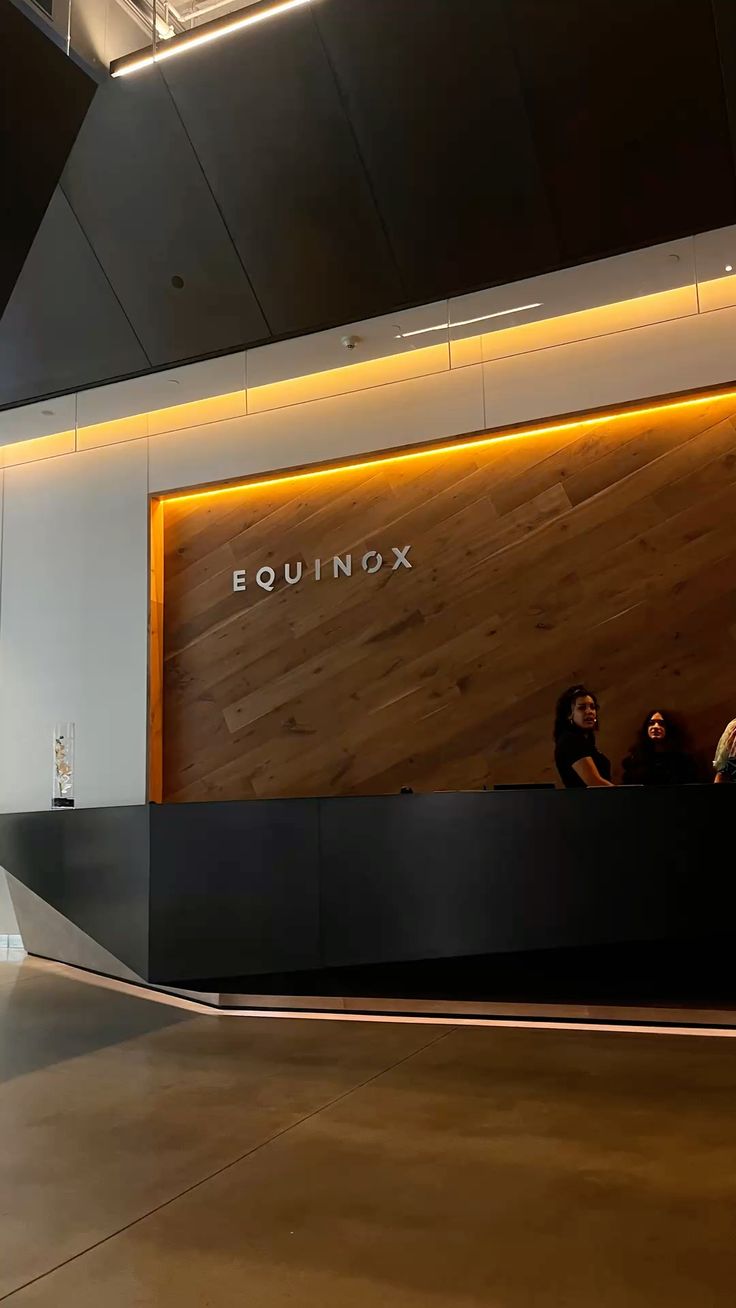
The AI advertising backlash arrived in full force this summer, and the brand at the center of it wasn't even trying to hide its use of artificial intelligence — it was trying to criticize it. On July 28, 2026, Equinox pulled a poster from its "Question Everything. But Yourself" campaign after weeks of criticism that an AI-generated image of an Asian woman's head, mounted on a stand with a thumb pressed to her lips, reinforced racist and dehumanizing stereotypes rather than critiquing AI's dangers as intended. The quotable takeaway: even a campaign built to warn people about AI's fakery can become the very cautionary tale it set out to tell, and for wellness, hospitality, and lifestyle brands, the incident is a live case study in how fragile consumer trust in AI-generated advertising has become in 2026.
What Happened: Equinox Pulled Its "Question Everything" AI Ad
Equinox's 2026 global campaign, called "Question Everything. But Yourself," launched in January through Los Angeles creative agency Angry Gods. The concept paired real photographs of Equinox members' bodies against surreal, AI-generated imagery, arguing that physical effort and the human body are more trustworthy than anything artificial intelligence can manufacture. On paper, it was an anti-AI message — the kind of stance more advertisers were adopting throughout 2026 as generative tools flooded creative production pipelines industry-wide.
One poster in the campaign undercut that message. It depicted a photograph of a real woman fused with a robotic head resembling an East Asian woman, her thumb pressed between her lips. Asian American creators and Equinox members said the image drew on "techno-orientalism," a long-running trope that renders Asian women simultaneously hyper-technologized and sexualized. According to Ad Age, criticism had circulated on Asian American community forums since the campaign's first weeks, with commenters questioning how the image cleared internal creative review. By early August, Equinox removed the ad, and its agency acknowledged that critics "were right," according to reporting from AsAmNews.
The Irony Is the Lesson
The specific misstep matters less than what it reveals. A campaign explicitly designed to critique AI's capacity to distort reality ended up illustrating exactly that problem. Equinox wasn't trying to quietly slip AI into its production process — it was staging AI as the villain of its own story. But audiences respond to execution, not intent, and one poorly considered image undid an otherwise defensible creative strategy within days.
Why the AI Advertising Backlash Is Bigger Than One Campaign
Equinox is only the most visible flashpoint in a wider pattern. Adweek has tracked brands "leaning into AI fears" throughout 2026, with Aerie, Almond Breeze, and others explicitly calling out "AI slop" in their own creative to position themselves as more authentic alternatives to competitors. The pattern says something important about where the industry's head is at: brands increasingly believe consumers are anxious about AI, even as those same brands lean on AI tools to produce the very ads making that argument.
The Data Backs Up the Anxiety
The numbers support the discomfort. According to "The AI Ad Gap Widens," a 2026 report from the Interactive Advertising Bureau (IAB) produced with Sonata Insights, 83% of ad executives now say their company has deployed AI in the creative process, up from 60% in the group's 2024 study. But consumer sentiment hasn't kept pace: just 45% of Gen Z and Millennial consumers feel positive about AI-generated advertising, compared with 82% of ad executives who assume those consumers feel that way. That 37-point perception gap is up from 32 points in 2024, according to the same IAB research — meaning the industry's confidence in AI is accelerating faster than the audience's comfort with it.
IAB's researchers also found something worth noting for any brand weighing whether to use generative tools in a campaign: disclosure changes the calculus. Among Gen Z and Millennial respondents, 73% said knowing an ad was AI-generated would either increase their likelihood to purchase or make no difference at all. In other words, the backlash isn't really about AI use itself — it's about brands that appear to hide it, or that mishandle it in ways that read as careless or offensive.
The gap between how confidently marketers deploy AI and how comfortably audiences receive it isn't unique to advertising creative, either. As we noted in our look at why just 25% of marketers use AI in influencer marketing, the same caution is showing up across influencer partnerships, where brands are moving more slowly than the hype around AI tools would suggest.
What This Means for Wellness, Hospitality, and Lifestyle Brands Specifically
Wellness and Fitness Brands: Authenticity Is the Whole Value Proposition
For a wellness or fitness brand, credibility is the product before it's the marketing. Members pay Equinox and its category peers a premium in part because the brand is supposed to represent bodily authenticity, discipline, and results that can't be manufactured. Using AI imagery to make an anti-AI argument was always a high-wire act; getting the imagery wrong turned a philosophical stance into a trust violation with the exact audience — women, and particularly Asian women — the brand needed to protect. Any wellness or fitness brand experimenting with AI-generated creative should ask a blunt question before a single asset ships: does this image represent a real body, a real result, or a real person's likeness, and if not, is the brand comfortable saying so out loud?
Hospitality Brands: Guests Book Experiences, Not Algorithms
Hospitality operates on a similar trust economy. A hotel or restaurant's marketing implicitly promises that the plated dish, the room view, or the pool deck in the ad will match what a guest finds when they arrive. AI-generated imagery that beautifies a space beyond what's deliverable creates the same kind of gap IAB's data describes — a brand believing its creative reads as "forward-thinking" while a guest experiences it as manipulative. For hospitality marketers layering AI into personalization and content production, as we've covered in The Modern Hospitality Marketing Playbook, the opportunity is real, but it depends entirely on guests trusting that what they're shown is what they'll get.
How to Use AI in Advertising Without Triggering a Backlash
Disclose When It Matters
IAB's research is unambiguous on this point: disclosure rarely hurts, and it often helps. Yet fewer than half of advertisers who use generative AI say they always disclose it, per the same report. A simple on-creative note or caption acknowledging AI-assisted production costs little and defuses the "brands are hiding something" narrative that fuels most AI backlash cycles.
Use AI to Enhance Craft, Not Replace Judgment
IAB found that cost efficiency, not creative quality, is now the top reason advertisers cite for using AI — a shift from 2024, when creative innovation ranked higher. That inward focus on savings is exactly what tends to produce the ads audiences dismiss as "slop." Platforms are already enforcing consequences for this shift: TikTok Shop's new 1,000-point account health rating now penalizes sellers for undisclosed AI voice clones, a sign that platforms, not just public opinion, are starting to police synthetic content quality directly.
Pressure-Test Creative Through Outside Eyes Before It Ships
Equinox's image reportedly circulated on Asian American community forums during the campaign's first weeks, meaning outside audiences flagged the problem well before the brand acted on it. Internal review teams that share a single cultural lens will miss what a broader gut-check catches. Any brand running AI-assisted creative, especially imagery involving human likeness, benefits from a structured review pass by people outside the immediate creative team, ideally including people from the communities being depicted.
We've written before about where we use AI, and where we refuse to in our own work with clients — the short version is that AI is a legitimate tool for research, drafting, and production speed, but never a substitute for a human decision about what a brand is allowed to say about real people.
The Bigger Picture: Advertising's Trust Problem Predates AI
It's worth noting that the underlying failure in the Equinox case wasn't purely technological. Techno-orientalist imagery and objectifying visual tropes have circulated in advertising for decades, AI or not. What's new is the speed at which a flawed idea can be produced, published, and scaled before anyone outside the creative team sees it, and the speed at which criticism can now travel back. For agencies and in-house teams building out the rest of their 2026 campaigns, the AI advertising backlash isn't really a referendum on the technology itself. It's a reminder that the oldest rule in advertising — know exactly who you're representing, and make sure they'd recognize themselves in it — still governs whether new tools build trust or burn it.
Brands weighing where AI belongs in their own creative process are increasingly asking their agency partners to help set those guardrails before a campaign ships, not after a backlash forces the conversation.
Frequently Asked Questions
What is the "AI advertising backlash"?
It's the growing pushback from consumers, and now from some brands themselves, against generative AI used carelessly or without disclosure in advertising creative. It's visible in controversies like Equinox's pulled "Question Everything" campaign and in brands like Aerie and Almond Breeze publicly positioning against "AI slop."
Why did Equinox pull its ad?
Equinox removed a poster from its "Question Everything. But Yourself" campaign in late July 2026 after Asian American creators and members said an AI-generated image of an Asian woman's head reinforced dehumanizing, racialized stereotypes, even though the campaign's stated goal was to critique AI's dangers.
Does disclosing AI use in ads hurt a brand?
Not according to IAB's 2026 research. 73% of Gen Z and Millennial consumers said knowing an ad was AI-generated would either increase their purchase likelihood or make no difference, meaning nondisclosure is generally riskier than disclosure for most brands.
Should wellness and hospitality brands avoid AI in advertising altogether?
No. The data and the Equinox case both point to execution and transparency as the real risk factors, not AI use itself. Brands that disclose AI involvement and keep a human review layer over anything depicting real people or real spaces tend to avoid backlash.
Featured image concept: A split-frame still life — on one side, a real, unretouched photo of a hand on a weight bar mid-workout; on the other, a faint, glitching AI-rendered outline of the same hand dissolving into pixels. Alt text: "Split image contrasting a real photo of a hand gripping a barbell with a glitching, dissolving AI-generated rendering of the same hand, symbolizing the 2026 AI advertising backlash."
One Media Society is a Miami-based digital marketing agency working with hospitality, wellness, and design-forward brands navigating exactly this kind of decision — where AI genuinely helps a campaign, and where it puts trust on the line. If your brand is building 2026 creative and wants a second set of eyes before it ships, our Miami marketing team is glad to be that gut-check.